







Five Facts About Jeep You May Not Have Known
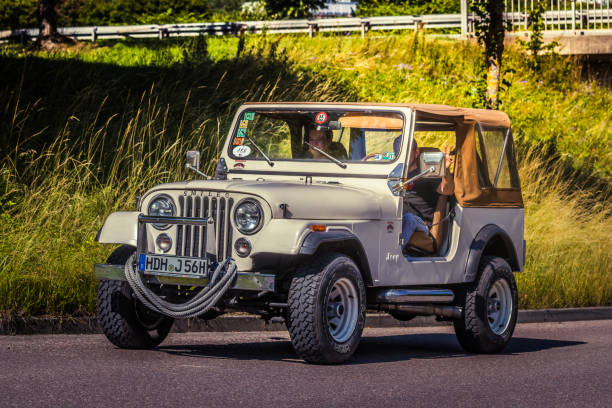
Driving a Jeep is an adventure that extends well beyond the asphalt. Once you become a proud Jeep owner, you join a tight-knit community of off-road enthusiasts. Forget about Taylor Swift and her “Swifties” – the Jeep Club is the ultimate group to be a part of in 2024.
Every year, almost a million brand-new Jeeps are sold, proving the enduring popularity of the brand. Yet, even after 80 long years, there are still some aspects of the Jeep brand’s history that remain enigmatic. At Savage 61, we shed some light on the unknown with five obscure Jeep facts.
The Origins of Its Name Are Unclear
It’s pretty straightforward to figure out how Ford, the brainchild of Henry Ford himself, got its name. Likewise, Buick, Chevrolet, and other auto brand names derived from their founders.
However, the origins of “Jeep” remain somewhat elusive. The prevailing theory suggests that it was derived from the phonetic pronunciation of “GP,” which stood for “General Purpose.” This designation was given to World War II vehicles that had no specific use. It’s quite plausible that soldiers started referring to these vehicles in such a way, and the term caught on from there.
But then, it’s just as possible that Jeep is named after a 1930’s Popeye comic strip character. Eugene the Jeep was Popeye’s magical pet who could go anywhere and do anything; perhaps soldiers associated the same freedom of movement with their off-road, all-terrain general purpose vehicles? Regardless of how Jeep first became Jeep, the name has since become synonymous with automotive freedom. It also isn’t going anywhere.
They Were Used as Train Cars in WWII
Jeep was established in 1941, just as America was gearing up to enter World War II. As mentioned before, Jeeps were classified as “General Purpose” vehicles during the war. But was the Jeep given this label because it was a generic vehicle without a defined purpose or identity? Or because it was a versatile vehicle capable of performing a wide range of tasks? The military clearly thought the latter, as Jeeps ranked amongst their most widely used vehicles throughout the war. In fact, Jeep’s contribution was so commendable that they were awarded a Purple Heart for their role.
A notable advantage of Jeeps was their ability to travel on railroad tracks, allowing the formation of “Jeep trains.” These converted railways enabled the transportation of up to 10 tons, ensuring smooth supply lines. The Jeeps’ versatility in seamlessly transitioning between railway and conventional wheels made them an indispensable asset to the war effort.
The Seven-Slot Grille Once Had 13 Slots
Jeep is widely recognized for its iconic seven-slot grille that has become synonymous with the brand. However, the process of determining the optimal number of slots was not an easy one for the engineers.
Initially, the 1940 Jeep sported a grille with 13 slots – perhaps a tribute to the original number of United States colonies. Nevertheless, the designers soon started reducing the number of slots to achieve a more streamlined design. By 1943, the Jeep grille featured only nine slots, ultimately evolving into the now-legendary seven-slot grille that we know today. This iconic design element was solidified by the end of World War II in 1945.
The Color of Jeep is Trash
That’s not a knock – it’s just very literal! The Anvil Jeep color took direct inspiration from a trash can in the Jeep design studio. It became such a hit that it was eventually used for the Jeep Wrangler JK. Take this as inspiration for your own work the next time someone “trashes” it.
It’s More Than a Vehicle Brand – It’s a Family Sport
In 1953, a man named Mark A. Smith organized the first Jeep trek across the Rubicon Trail. This became a tradition, eventually dubbed Jeep Jamborees. Fast-forward to today, where the spiritual successor to these Jamborees exists in the form of Jeeping, a modern term that involves using Jeeps for off-road sport.
Exploring the great outdoors through Jeeping is an adventurous activity that the whole family can enjoy. Navigating cliff sides, tackling steep inclines, and conquering off-road trails enables you to fully experience the impressive power and capability of your Jeep. Plus, it’s a fantastic opportunity for family photo ops.
Jump Into a Jeep Today
Now that you know more than you ever have about Jeep, there’s only one thing standing in your way of becoming an official expert: the keys to the ignition. Pay us a visit at Savage 61 today and we’ll help change that. With our huge selection of new and pre-owned Jeeps, from the highly capable Renegade to the 2024 Jeep Grand Cherokee, Pennsylvania’s most awarded dealership will get you on the road to your next great adventure.
The Chrysler 300 Reaches the End of the Line
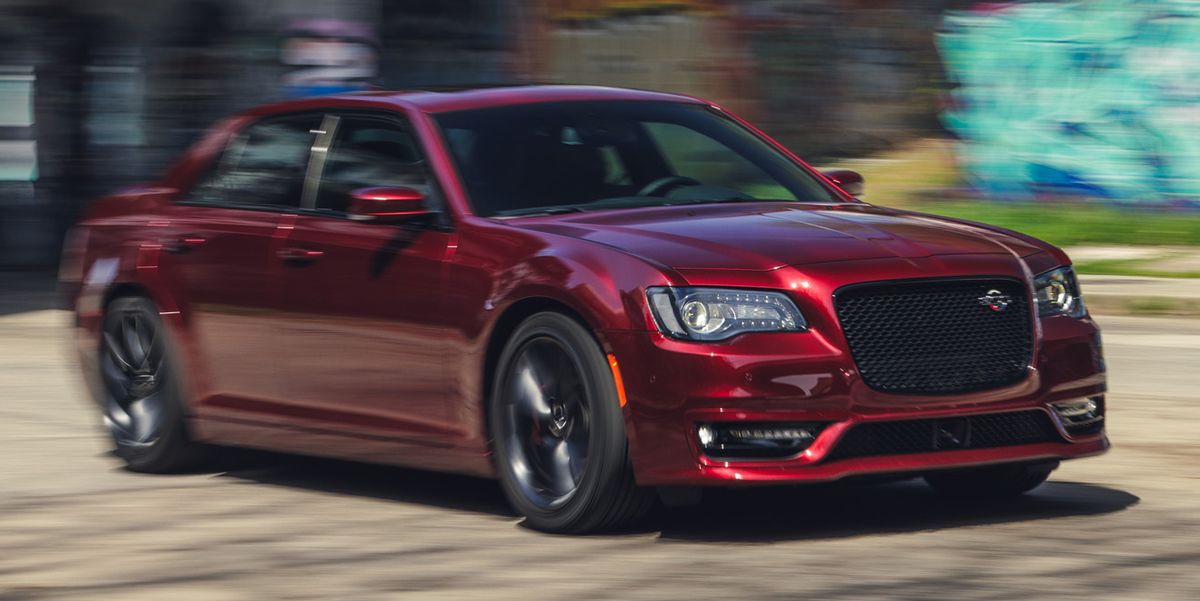
The Chrysler 300 series has rolled off the assembly line for the final time in its storied history.
Like its corporate siblings the Dodge Charger and Challenger, the Chrysler 300 is being discontinued after the 2023 model year. Moving forward, Chrysler and its parent company Stellantis made the decision to focus their efforts on their continued evolution towards total electrification.
Although the Charger and Challenger have the potential to return with new electric variants, every indication from Chrysler is that the 300 series may have indeed reached the end of its journey. Courtesy of Savage 61, here’s a look back at the history of the 300 series and why it’s ending now.
The History of the 300
Chrysler’s 300 line dates back to 1955, with the launch of the C-300 (which can retroactively be considered the 300A). In its first decade of existence, the 300 was known as the “letter series,” as each new model was followed by a letter. The 300B was updated into the 300C, which was redesigned into the 300D, and so forth.
That first generation of 300 vehicles was powered by a 5.4-liter Hemi engine with 300 horsepower, making it the most powerful American vehicle on the road at the time. The letter series concluded in 1965 with the 300L, which boasted 360 horsepower.
Another high-performance variant of the luxury 300, the Hurst 300, would follow five years later in 1970, though only 485 units were produced. The true rebirth of the 300 would come decades later.
In 1999, Chrysler launched the 300M, named after an abandoned 1966 redesign. The new 300M was a V6-equipped, full-size luxury car that would continue to be produced until 2004. Then in 2005, the 300 as we know it today fully arrived in the form of a four-door sedan. The first generation of this revamped 300 line lasted from 2005-2010, and the second generation that launched in 2011 leads us to the present day.
One Last Ride
The final special edition of the 300, the 300C, was released in 2022. Although production on the current-gen 300 officially suspends on December 31, 2023, the final 300C rolled off the line on December 8th at Chrysler’s Brampton Ontario Assembly Plant.
The last vehicle to come off the line was a Velvet Red 2023 Chrysler 300C with the iconic 6.4-liter Hemi engine. It’s a fitting final tribute to the strength and swagger of the 300C line, as the powertrain sported 485 horsepower and 475 pound-feet of torque. However, Chrysler and Stellantis have been moving away from eight-cylinder engines consistently over the past several years. Instead, they continue to march towards electric exclusivity and increased sustainability efforts.
“As we celebrate the last Hemi-powered 300C off the line with our Brampton team members,” said Chrysler CEO Chris Feuell, “we’re also excited to work together as Chrysler brand moves forward to a sustainable all-electric future as part of the Stellantis Dare Forward 2030 strategic plan.”
The Future is Electric
For those keeping track at home, Chrysler is now down to a sole remaining vehicle: the plug-in hybrid Pacifica minivan. However, when the successor to the 300 is eventually revealed, we fully expect that to be an electric vehicle as well. Clearly, the company is all-in on a green tomorrow.
You can become part of that electric future when you make the change to an EV today. Come in to Savage 61 today and see for yourself why you belong behind the wheel of a Pacifica. The 300 series may now be in the rearview, but with Savage 61, your future is full of possibilities.
New Year’s Resolutions for Car Owners to Consider

The New Year is upon us, a time to make life-altering resolutions and then immediately break them. But here’s a thought: what if 2024 is the year you stick to the changes?
The thing about New Year’s resolutions is that there’s no need for them to be major life upgrades. If you commit yourself to quit drinking or smoking and succeed, more power to you! But holding yourself to a series of small changes can wind up making a large impact.
For every car owner, there’s plenty of small adjustments that can be made when it comes to your driving habits, how you care for your car, and more. Here are five resolutions to consider in 2024:
Don’t Ignore the Service Light
The service light flashing in your car is inherently alarming, but obviously there’s a myriad of issues it could be indicating, some far more serious than others. It’s normal for people to ignore the problem until it becomes something more tangible.
But in 2024, try to address small problems before they grow into large, costly ones. Maintain regular service appointments with our experts here at Savage 61, and when your service light comes on, take it to the garage as soon as you can. In the long run, it will absolutely save you money.
Clean Your Car Regularly
Keeping your car aesthetically healthy is clearly a bit less important than monitoring what’s happening under the hood – but that doesn’t mean it’s unimportant. The interior of your car, especially, can wind up accumulating dirt and debris quickly, to the point where you wonder how you let it get to that point. When you suddenly need to give a passenger a ride, you could find yourself scrambling to do a full clean.
You should wash your car about every two weeks to keep the body clean, and every two months or so, consider running it through a more thorough wash or wax. And every time you get it washed, vacuum the inside to keep it more consistently clean.
Put Your Phone Down
More and more modern vehicles are embracing the fact that our phones have become an integral part of daily lives. Thanks to the rise of interconnected apps and infotainment screens, interacting with certain facets of your phone while driving is becoming more seamless and safer.
That said, if the only way to check your phone is still to pull it out of your pocket while you’re on the road… stop doing it in 2024. Pull over to the side of the road in an emergency, but otherwise remember it’s okay not to look at a screen for a half-hour. Cell phone usage still contributes to 1.6 million crashes each year, and one out of four accidents is caused by texting and driving. Even if double-tasking on the road hasn’t been an issue for you before, focus your attention on the road ahead and don’t needlessly endanger lives. Remember, all it takes is one incident to dramatically alter your life.
Know Your Lane
If you’re driving on the highway, you’re in the fast lane and someone is behind you, find a safe opportunity to change lanes and let them pass you. There’s always that one puzzling driver going 60 miles per hour in the left lane; you don’t want to be that driver. Think of it this way: you wouldn’t refuse to move your cart if you were blocking someone at the grocery store. In 2024, let’s all resolve to become more responsible drivers by expressing common courtesy and sticking to our lanes.
Consider Making the EV Switch this Year
This one constitutes more of a major life change, but if you have the resources, 2024 is the year to give serious thought to making the change to hybrid or electric. The impact it has on lowering carbon emissions is substantial, and we’re going to need every advantage we can get to combat climate change in the years ahead.
It helps that more and more dealerships are buying into the EV experience. And charging stations are starting to pop up everywhere. Here are some just a few nearby charging stations in the Reading area:
- ChargePoint Charging Station on 815 Lancaster Ave., Reading, PA 19607
- ChargePoint Charging Station on 1015 Lancaster Ave., Reading, PA 19607
- ChargePoint Charging Station on 210 George St., Reading, PA 19607
- Volta Charging Station in the Shillington Shopping Center, Reading, PA 19607
- Destination Charging Center on 701 Penn St., Reading, PA 19601
Cruise Into the New Year
No one is perfect when it comes to making and keeping resolutions. Hopefully, you take these changes of habit to heart, because they’re truly important to creating a safer, more orderly world. But even if you’re only able to implement one or two of these resolutions into your driving routine, you’re exhibiting a real and meaningful desire to change.
What never changes is the quality of vehicles you’ll find here at Savage 61. If you’ve got room on your resolution list, make it your prerogative to get to Savage today and explore what we have to offer.
5 Dodge Facts You Probably Didn’t Know
When Horace Elgin Dodge and John Francis Dodge founded the Dodge Brothers Company in 1900, they weren’t thinking about fast cars. In fact, Horace was busy patenting a dirt-resistant bicycle bearing in 1896. The following year, production began for the Evans & Dodge Bicycle Company.
Fortunately, in 1901, the mechanically-minded brothers shifted their focus to automobiles. The rest, as they say, is history. In 1903, they teamed up with newcomer Ford Motor Company to manufacture engines and transmissions. Then, in 1914, they introduced the very first Dodge vehicle. By 1915, Dodge was already the third best-selling automaker in America. From their humble beginnings in Niles, Michigan, the Dodge brothers left bicycles behind and established one of the most successful auto manufacturing companies in the country.
Although both brothers passed away in 1920, neither could have expected just how greatly Dodge’s legacy would outlive them. In 1928, their family sold the company to Chrysler, where it continues to thrive as its mid-priced brand. Despite its ongoing success, there are still plenty of little-known facts about Dodge’s history that you may not be aware of. Courtesy of Savage 61, here are five to get you started.
Mechanizing the War Effort
Back in 1916, Lieutenant George Patton Jr. took charge of the very first mechanized cavalry charge in the history of the U.S. Army. Patton commanded from a Dodge WC57 Command Car, and with just two additional Dodge vehicles and 15 soldiers, they went head-on against Pancho Villa and ultimately vanquished their lieutenants. As years went by, these mechanized cavalry charges became a primary tactic for the American military. (Their final horse-mounted cavalry charge went down in the Philippines in the early days of 1942.)
Engineered to Excel
Dodge has always been leading the charge in developing and putting to the test new, high-performance engines. It all started back in 1930 when Dodge rolled out its very first eight-cylinder engine – the same year they started offering factory-installed car radios. Unfortunately, due to the Great Depression, that engine was discontinued in 1934, but it was later brought back to life in 1952. Fast forward to 2014, and the Dodge Ram 1500 made history as the first compact pickup truck to offer a diesel engine option.
One For the Ladies
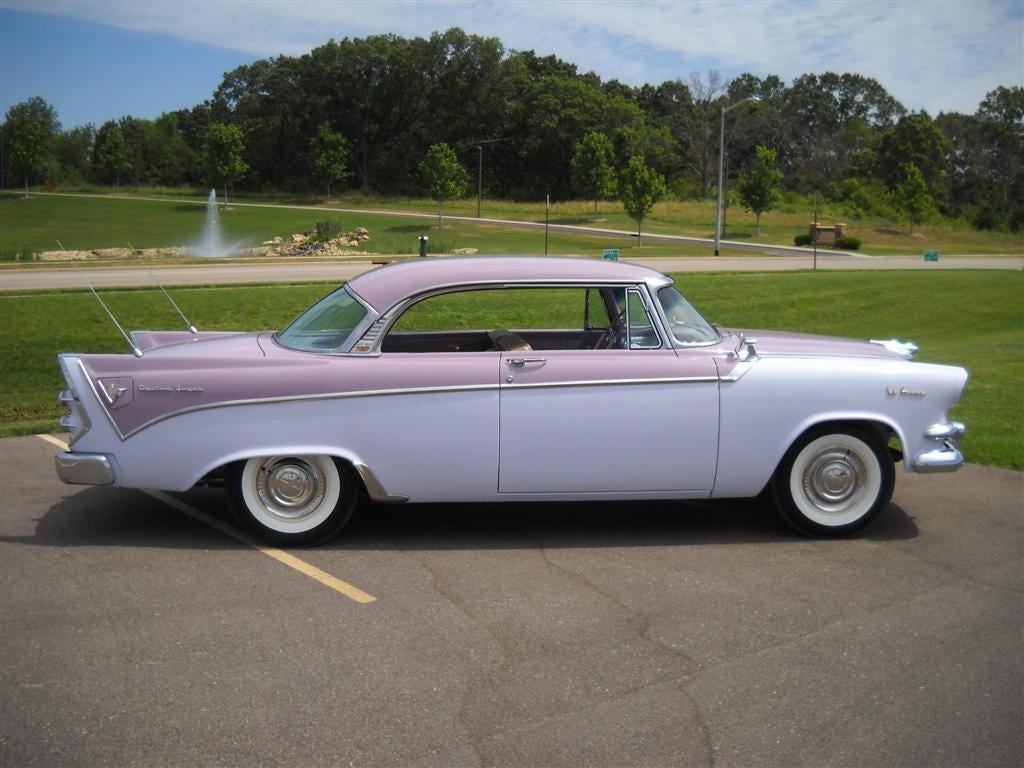
During the mid-1950s, Dodge introduced the Dodge La Femme, a full-sized car tailored exclusively for women. Recognizing the growing interest of women in automobiles at that time, Chrysler’s marketing department conceptualized the La Femme, aiming to seize a share of the women’s car market.
The La Femme’s interior truly embodied conventional feminine ideals of the 1950s. The 1955 models boasted pink rosebud upholstery against a delicate silver-pink backdrop. Each vehicle came with a stylish keystone-shaped purse made of soft pink calfskin, equipped with a variety of accessories. These accessories included a face-powder compact, cigarette case, lipstick case, and coin purse. Additionally, a special compartment behind the driver’s seat housed a matching raincoat, rain bonnet, and umbrella made from the same rosebud fabric.
Despite its… unique charm, the La Femme did not have much success in the market. Dodge discontinued the line in 1957 after only a pair of models were produced. Therefore, it’ll take some deep-diving on eBay if you want to drive around the streets of Reading in the most gaudy way possible this holiday season.
The Origin of the “Fratzog” Emblem
From 1962 to 1976, Dodge had a logo made up of three interlocking triangles. This funky geometric arrangement was known as a “Fratzog.” How did it get such a peculiar name? Well, back in the early 1960’s, one of Dodge’s designers needed a temporary title for the emblem and came up with the random word “Fratzog.” Simply put, no one else on the design team could come up with a better name, so the Fratzog moniker stuck and would continue appearing on steering wheel center hubs until the late 1970s.
Highs and Lows on the Racing Circuit
Dodge has been on both sides of racing glory and infamy. Lee Petty put Dodge on the racing map in 1953, when he became the first driver to earn a NASCAR victory for Dodge during a race in Palm Springs, Florida.
But in 1971, the Indianapolis 500 was marred by a crash involving the Dodge Challenger serving as the race’s pace car. Eldon Palmer, a local Indianapolis-area Dodge dealer, lost control of the Challenger at the race’s start. It proceeded to crash into a photographer’s stand, injuring 29 people.
Drive a Dodge Into Tomorrow
Here at Savage 61, we continue to champion Dodge’s present as we honor its past. Check out our full inventory of new and pre-owned Dodge vehicles today – or sell us your ride. From service to parts, Savage 61 has everything you need to keep you on the road in 2024, as you continue to write your own history.
5 Auto Tips That Will Make You Feel Like MacGyver
Car ownership can be a thrill, but it’s also a full-time responsibility. Issues can pile up if gone unchecked, making constant maintenance a must. And while you should be making regular service appointments with our service department at Savage 61, the health and lifespan of your vehicle can be extended further if you regularly perform smaller tasks on your own.
Thankfully, there are ways to routinely support your car from the comfort of your own home. Not only won’t you break the bank – everything you need can most likely be found in your kitchen and bathroom closets. Remember television’s MacGyver, who was always able to inventively use household items to get out of jams? Following these five tips won’t have you diffusing bombs with paper clips, but your car will thank you all the same.
The Best Way to De-Ice Your Windshield in the Morning? Vinegar.
Anyone who’s spent time in the Reading area knows how tedious starting your commute can be in the frosty early hours of a November day. Sometimes you’ll be greeted to an especially thick layer of frost or ice on your windshield, and the process of thawing it takes several minutes, leaving you uncomfortable and throwing off the start of your day.
You’d think pouring hot water on your windshield would provide a swift solution, but doing so harms your windshield’s health in the long run. Instead, try using a mixture of one cup lukewarm water and one cup white vinegar. The white vinegar cuts through dirt, oil, and other gunk, eliminating windshield haze. Be sure to clean both the exterior and inside of the windshield to prevent a gradual accumulation of foreign substances.
Toothpaste is an Effective Headlight Cleaner
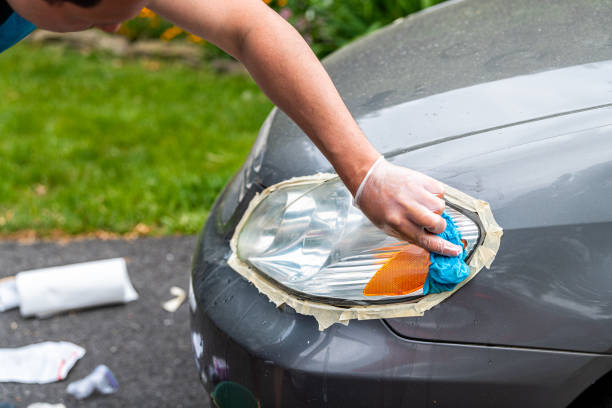
It may seem strange, but it makes sense when you think about it. Just as brushing doesn’t damage the enamel of your teeth, toothpaste is abrasive enough to clean dirty or foggy areas from your headlights without damaging them. Depending on how bad the condition of your headlights is, a stronger option may be needed – but before you shell out for a processed chemical, try scrubbing it down with toothpaste, making sure to gently rinse it down with water and a rag afterwards. (Baking soda, a similarly abrasive material, could also do the job if you don’t have toothpaste handy. But, uh, you should probably have toothpaste handy).
Use Nail Polish to Prevent Cracks from Spreading
As we continue emptying out the bathroom cabinet, the next everyday-item-turned-tool on our list is nail polish. When your windshield takes any sort of minimal impact, the surface damage may not appear initially alarming. It’s disconcerting when your new Chrysler Pacifica takes a hit from a rock on the highway, but if it leaves only a minor blemish, crisis has surely been avoided, right? Unfortunately, minor chips and nicks can schism into long cracks that take over the entire surface of your windshield, leading to costly windshield repair.
Before those cracks can spread, simply apply nail polish to the cracked area. Nail polish acts as an adhesive that should keep the cracks contained – and if you’re able to find the right color, it can do so without causing any cosmetic change. (For this reason, nail polish also functions as a great scratch remover when your paint gets scratched. Just make sure to clean the area before applying.)
Use a Plunger to Remove Dents
Just like with tiny cracks and scratches, there’s no reason to book it to your local garage the moment minor dents materialize on your car. In fact, most small dents can be eliminated with less hassle than tending to a clogged toilet. Simply stick a plunger on the dented area, pull back, and watch as the plunger’s suction pulls the dented part of the panel back in place.
If you require further instructions, see this video, where these guys appear delightfully surprised by the outcome.
Dust the Interior with Coffee Filters
The lint-free material of coffee filters is ideal for wiping down your dashboard, infotainment console, and other areas of your car’s interior. The filters are inexpensive and are generally sold in bulk amounts, allowing you to be as thorough as possible. Lint, crumbs, and other materials gradually build up in your car’s interior; keeping a pack of coffee filters handy in your glove compartment can help combat this, regardless of whether you kick off your mornings with a cup of joe.
Mission Accomplished
There you have it – five easy, inexpensive ways to keep your car happy and healthy. If you’re short on any of the materials you’ll need, consider a trip to Reading’s Fairgrounds Farmers Market, an ideal destination during the holiday season.
And as always, we’re here at Savage 61 to help keep you on the road. When your maintenance job becomes too large to handle on your own, schedule a service appointment with Pennsylvania’s most awarded dealership.
The Ram Heavy Duty is Ready to Steamroll Into 2024
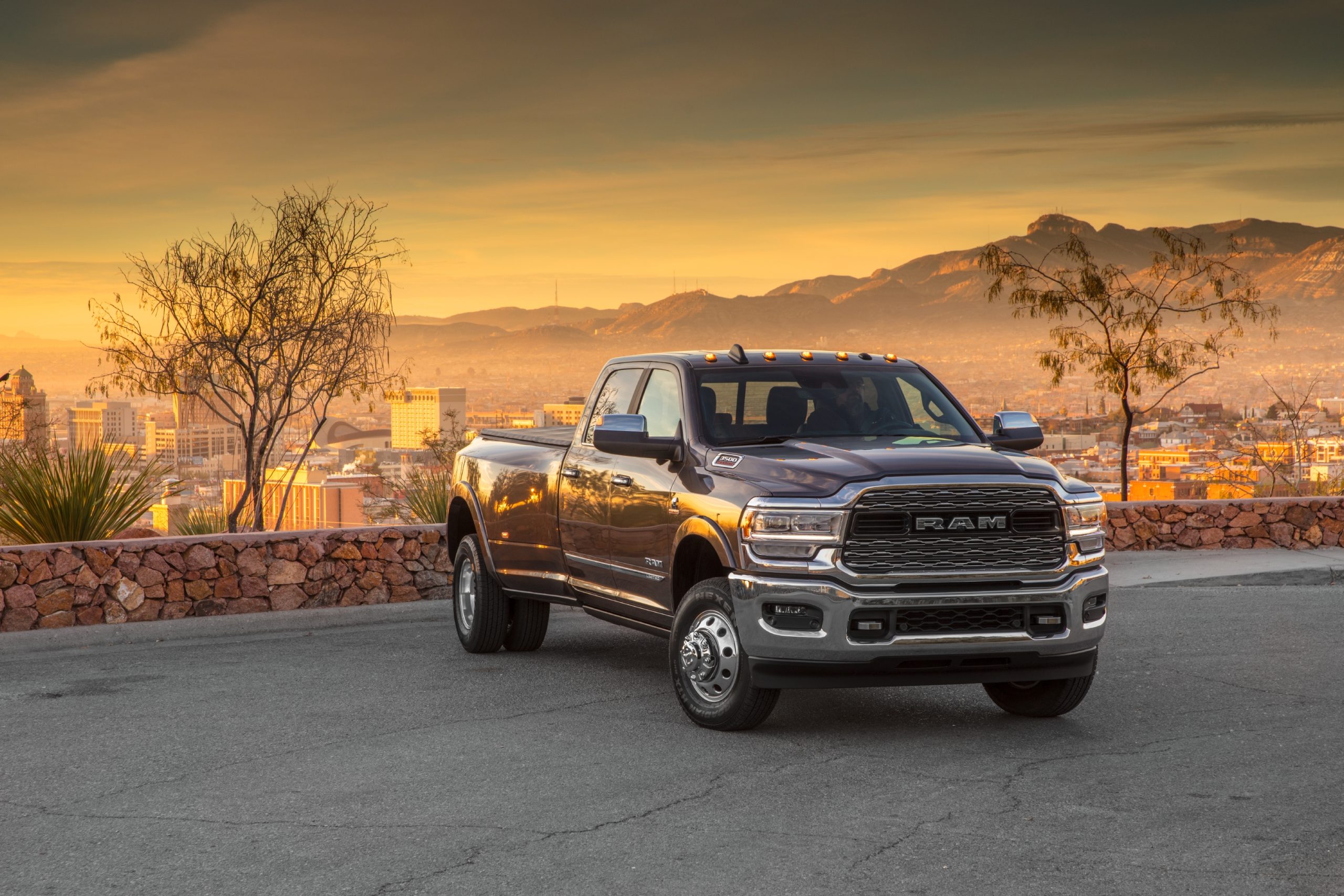
Since its inception in 2009, the Ram Truck brand has reliably paved the way for truck buyers. When it comes to the combination of performance, durability, comfort, and technology innovation, the Ram Heavy Duty is entering its fifteenth year of leaving the competition playing catchup. And as new details about the 2024 Ram Heavy Duty models begin trickling out, our anticipation for the future of Ram has only intensified.
Firing On All Cylinders
The introduction of the new Heavy Duty Rebel in 2023 marked the arrival of a standard Power Wagon that boasted unprecedented capacity for towing and payload-hauling. The Rebel was able to maximize the potential of its Cummins Turbo Diesel engine, which returns as an option for the 2024 Ram Heavy Duty. All engine options include:
- 6.4-liter HEMI V-8 delivers 410 horsepower at 5,600 rpm and 429 lb.-ft. of torque at 4,000 rpm – and features variable-valve timing (VVT) with Fuel Saver Technology cylinder deactivation
- 6.7-liter Cummins Standard-Output Turbo Diesel produces 370 horsepower and 850 lb.-ft. of torque (Ram 2500 and 3500)
- 6.7-liter Cummins High-Output Turbo Diesel produces 420 horsepower and 1,075 lb.-ft. of torque (Ram 3500)
The Heavy Lifter
Each year, the Heavy Duty’s capacity to take on larger towing and payload loads has consistently expanded. The latest update from Ram projects the following capability figures for the 2024 Heavy Duty:
- Towing – Up to a 37,090 pounds with Ram 3500
- Towing – Up to 20,000 pounds with Ram 2500
- Payload – Up to 7,680 pounds with Ram 3500
- Power – 410 horsepower and 429 lb.-ft. of torque with 6.4-liter HEMI® V-8 engine
While boasting such tremendous hauling and towing capabilities, it’s a small wonder the Ram Heavy Duty (specifically the off-road-focused Rebel) is also able to maintain exceptional off-road performance. A 12-inch infotainment touchscreen is there to provide you with navigational aid while you explore off-road terrain.
The Ram 2500 also offers two distinct rear suspensions, a five-link coil system and air suspension system, while the 3500 offers an exclusive supplemental air suspension system.
Variety, the Spice of Life
From the luxurious Laramie to the powerful Big Horn, Ram Heavy Duties have masterfully catered to drivers of all ilks. The 2024 Ram Heavy Duty will come available in seven unique trims, including the aforementioned Rebel. Those seven trims are:
- Big Horn/Lone Star
- Laramie
- Limited
- Limited Longhorn
- Power Wagon
- Rebel
- Tradesman
Make Heavy Duty Your Duty
As the Ram continues to break barriers for heavy duty trucks, there’s never been a better reason to put yourself behind the wheel of one today. Make it your duty to go Heavy Duty at Savage 61 this Fall. Savage 61 is Reading’s number one spot for new and pre-owned Rams, ensuring that you’ll roll confidently into the new year.
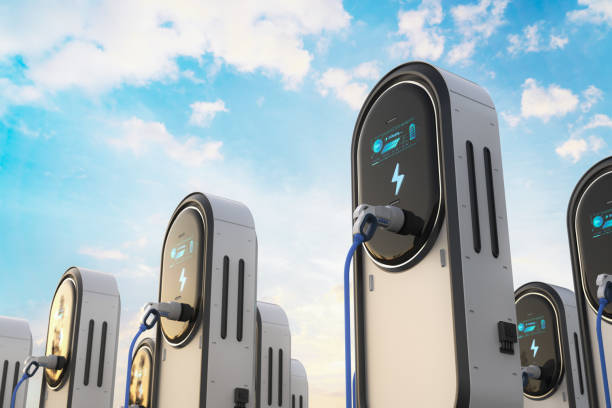
The electric vehicle Renaissance is upon us and it’s showing no signs of stopping. As the leaves change and Fall arrives, there’s never been a better time to make the transition to an EV or hybrid vehicle. Here’s a guide explaining why you should make the switch to electric and why Savage 61 is your premier destination when you do.
Reasons To Make the Switch
Range: Years ago, the relatively limited range of EVs was a source of trepidation for many potential buyers. Flash forward to the present, where most EVs deliver over 200 miles of range on a full charge, making them increasingly comparable to gas cars in terms of mileage. Some newer long-range models offer as much as 310 miles of EPA-estimated range.
Price: While new EVs in general are becoming an increasingly affordable proposition, the savings continue when you consider both the price of gas and the cost of maintenance. Compared to ever-fluctuating gas prices, charging your EV provides a cheaper, more consistent alternative. Reports say electric drivers save an average of $1,000 per year on gas money when they make the switch. Furthermore, EVs require far less maintenance than gas vehicles; they don’t require oil changes, and their engines see far less wear and tear.
Practical concerns: EV charging options have never been more numerous, as EVs can be charged at home, at work, or on the road; the smaller size of electric motors offers room for more storage space for you and the family; and of course, there’s the environmental impact (or lack thereof): with no direct emissions, EVs are built to last because they’re helping keep us here for the long haul.
Perfect for Fall Plans
With so much to do in the greater Reading area this Fall, the first thing you need is a ride to dependably get you to your next Fall activity. A new EV is the best way to clear your head of maintenance and performance concerns, allowing you to immerse yourself in all the season has to offer. After your trip to Savage 61, be sure to check out:
- The Reading Public Museum: Explore an undersea odyssey this Fall with the museum’s Voyage To The Deep exhibit, running until January 7, 2024. Based on Jules Verne’s classic 20,000 Leagues Under The Sea, Voyage To The Deep invites guests to explore the many mysteries of the ocean.
- The Fairgrounds Farmers Market: Prepare for the holiday season with offerings from over 65 local vendors at Berks’ County’s award-winning farmers market.
- Santander Arena: Embrace your inner Puddy and hit the ice at the Santander Arena, as the puck drops for the ’23-’24 season for the Reading Royals, an affiliate of the Philadelphia Flyers.
Charging Stations Near You
Like the leaves on your lawn, the amount of nearby charging stations in the Reading area is only continuing to accumulate. In as little as five years from now, it may become easier to list the locations where there aren’t charging stations. For now, here’s just a few available public charging stations:
- ChargePoint Charging Station on 815 Lancaster Ave., Reading, PA 19607
- ChargePoint Charging Station on 1015 Lancaster Ave., Reading, PA 19607
- ChargePoint Charging Station on 210 George St., Reading, PA 19607
- Volta Charging Station in the Shillington Shopping Center, Reading, PA 19607
- Destination Charging Center on 701 Penn St., Reading, PA 19601
Even if you don’t yet own an EV, you’ve probably become aware of these charging stations popping up everywhere – and they’re only becoming more ubiquitous as we stretch further into the 21st century.
It’s taken some time, but it seems that a general public consensus is beginning to emerge that EVs are the way forward. Become part of the electric movement today by stopping in at Reading’s number one EV spot, Savage 61. Whether or not you’re ready to make the switch, our awesome selection of new and pre-owned vehicles will ensure that you’re prepared for the Fall season and all it has to offer.
Savage 61’s Top 5 Tips for New Drivers

Driving is an exciting milestone in life, but it can also be intimidating, especially for new drivers. Navigating the roads as a beginner involves a lot of responsibility, but with proper guidance, it can be a lot easier and more secure. In this blog, we will focus on five tips that can help new drivers stay safe and confident on the road.
Tip 1: Master the Basics
Before hitting the road, it is essential to understand the fundamental rules of driving. Start by reviewing your state’s driver’s manual or take an approved driver’s education course. This will help you learn the rules of the road and gain a better understanding of road signs, speed limits, and traffic laws. Knowing the basics ensures that you can navigate the roads with confidence and safety.
To further master the basics and gain a strong foundation in driving, it is important to practice frequently in various conditions. Make sure to drive in different weather conditions, such as rain or snow, and during different times of day. Additionally, practice on roads with varying speed limits and traffic levels. This will help you become comfortable behind the wheel and stay safe on the road.
Tip 2: Keep Your Car Maintained
Regular car maintenance is crucial for a vehicle’s safe operation. Keeping up with oil changes, brakes, and tire rotations are necessary for ensuring that the car is in proper working order. Having a reliable vehicle also means reducing the chance of costly and dangerous breakdowns.
Having a reliable car is also essential for avoiding any unwanted incidents on the road. Be sure to check your fluids (oil, coolant, brake, and transmission) regularly and top them off if needed. Make sure to have your brakes inspected occasionally, as well as inspect the car’s tires for proper inflation levels and tread wear.
Tip 3: Avoid Distractions
Distractions while driving are dangerous, irresponsible, and can lead to accidents. Keep your phone on silent and out of reach while driving. If you need to use your phone, pull over to a safe spot to take the call or reply to a text message. Additionally, avoid eating, smoking, grooming, or engaging in other distracting activities while behind the wheel.
In order to reduce distractions while driving, it is important to minimize the number of passengers in the car. Having fewer passengers in the vehicle reduces the chances of conversations or other interactions that could take your focus away from driving. Additionally, avoid programming GPS devices or changing radio stations while driving, as these activities require visual and mental attention.
Tip 4: Don’t Tailgate
Maintaining a safe distance between your car and the vehicle in front is crucial for a driver’s safety. The recommended following distance is three to four seconds between cars. This ample time will allow you to avoid a collision if the vehicle in front makes any sudden stops or turns.
Tailgating can be dangerous and should always be avoided. Not only can it lead to rear-end collisions, but it can also cause road rage from the driver in front. Additionally, tailgating restricts vision and forces drivers to make quick decisions in order to avoid a collision.
Tip 5: Obey All Traffic Rules
Driving safely and responsibly involves obeying all traffic rules and laws, including stop signs, traffic signals, and posted speed limits. Remember, breaking the rules puts not only your safety but also the safety of other road users at risk.
When driving, always be aware of the speed limit and the posted signs to ensure that you stay within the laws. Following the speed limit helps prevent speeding tickets and keeps you from putting yourself and other drivers at risk. Additionally, be mindful of intersections and obey any traffic signals, such as stop lights or yield signs. These traffic signals are there to keep you and other drivers safe on the road.
Get Out and Drive — Safely!
In conclusion, as a new driver, it is crucial to remain vigilant, patient, and adhere to basic traffic rules. Regular maintenance of your car, avoiding distractions, and maintaining a safe following distance are all essential practices to help ensure safe driving. Remember to never drive under the influence of drugs or alcohol, always wear your seatbelt, and enjoy the ride. Following these five tips will make you a more confident and responsible driver.
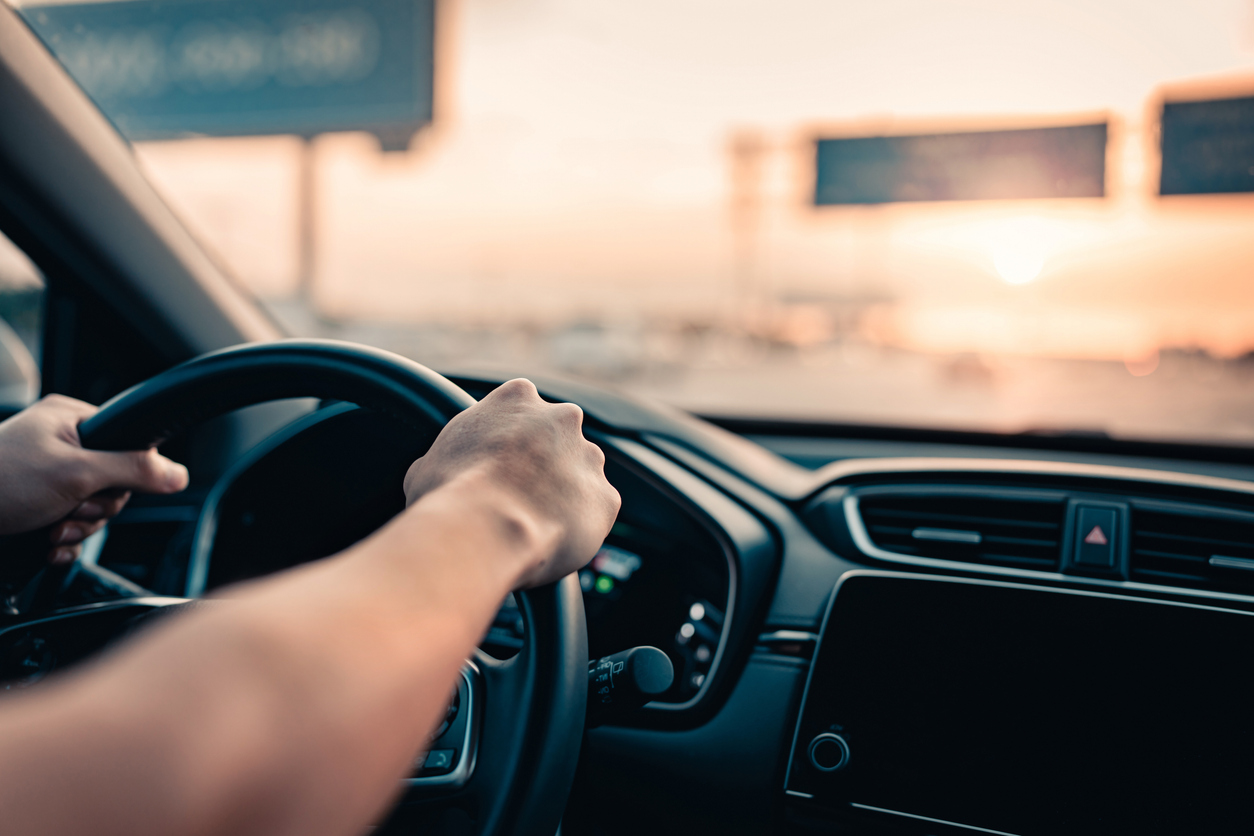
As drivers, we all have our beliefs and habits on the road that we take for granted. Many of these come from the driving lessons we learned from parents, friends, or driving school instructors. However, not all of these beliefs are necessarily true, or the best practice on the road.
In this blog, we will debunk five of the most common driving myths in America and provide you with the facts. By the end of this post, we hope you will have a better understanding of safe driving practices and improve your overall driving experience.
Myth #1: It’s safer to drive with your hands at the 10 and 2 o’clock positions.
Many of us learned the traditional way of holding the steering wheel at 10 and 2 o’clock. However, the National Highway Traffic Safety Administration (NHTSA) recommends holding the wheel at 9 and 3 o’clock for better control, especially in case of sudden turns or steering movements.
The 9 and 3 o’clock positions allow for a better grip of the wheel, making it easier to turn it in any direction if necessary. Additionally, this position provides the driver with increased space between their arms and chest in case of an accident, which can help reduce serious injuries.
Myth #2: It’s safer to drive slower than the speed limit.
While it’s important to obey speed limits, driving too slowly can also be dangerous. It can lead to impatient drivers behind you, causing them to make reckless maneuvers and potentially cause accidents. In some cases, driving too slowly can be a violation of the law, so make sure to maintain a speed that is reasonable and safe.
Myth #3: Four-wheel drive or all-wheel drive makes you invincible on the road.
While 4WD or AWD can provide better traction in certain driving conditions (such as on snow or ice), it can also provide a false sense of security to the driver. It does not make you invincible on the road and does not improve braking or steering ability. Always drive according to the road conditions and adjust your speed when necessary.
Myth #4: Red cars are more likely to get pulled over by police.
This is one of the most widespread urban legends in the driving community, but there is no evidence to back it up. The color of your car does not impact your chances of getting pulled over. Police officers look for safety violations, such as speeding, running red lights, or failing to use turn signals, regardless of the color of your car.
Myth #5: Using your phone with your hands-free device is safe while driving.
While using a hands-free device to make calls or send texts is legal in many states, it is not always safe. Even if your hands are on the wheel, your attention is still divided between driving and the conversation.
Research shows that any form of phone use while driving can be distracting and increase the risk of accidents. Whenever possible, avoid using your phone while driving or pull over to a safe place if you need to make a call.
Driving Debunked
Driving myths can create confusion and impact safe driving habits. By debunking these five common driving myths, we hope to help drivers understand the importance of adopting safe driving practices, following traffic laws, and staying focused while on the road.
Remember to always drive defensively, be aware of your surroundings, and be mindful of potential hazards. Safe driving is everyone’s responsibility.
Prep Your Car for Spring with These 5 Tips

With spring right around the corner now is the best time to start prepping your car for warmer weather. Whether you’re washing off a winter worth of salt and dirt or you’re finally bringing the summer car out of your garage, some spring cleaning is a great way to increase the life of your vehicle.
If you’re a DIY’er looking to get their ride ready for spring, this is one list of tips and tricks you won’t want to miss.
Wash it Down
Spring is the perfect time to give your car the much-needed love it deserves. To start, grab some soap, water and a lint-free chamois cloth. Once you have your supplies, start scrubbing away any winter grime, dust or debris. Don’t forget to get into all of those nooks, crannies and hard-to-reach areas.
Now that you’re done with the soap and water stage, give the car a quick once-over before wiping it down with your chamois cloth. Using a lint-free chamois cloth instead of air drying helps avoid any unwanted water spots on your vehicle.
If you don’t have much time or are looking for an easier method, an automatic car wash is a good option to consider. With just a few minutes of your time an automatic car wash will have your car ready for Spring in no time.
Check Your Tires
As spring approaches, it’s time to start checking the air pressure and tread depth of your tires. Having tires with solid tread depth and the proper air pressure not only keeps you safe, but it also ensures peak performance and fuel economy.
Tire air pressure can drop with temperature changes or from sitting for a long time. So, the first step is to ensure those air levels are set to your vehicle manufacturer’s specifications. You typically can find this information on the inside of your driver’s side door jam.
Next, you’ll want to check your tread depth. While there are a few methods of checking this at home, we always recommend having one of our certified technicians do this for you. This ensures that the tread depth reading is accurate so don’t have to buy tires before they’re ready to be replaced.
Inspect the Battery
Spring is an important time to inspect the battery of your car to ensure it is fully operational. A battery that has sat for a long time or been exposed to cold weather for long periods of time may not be as strong as it once was. That’s why we recommend testing your battery or having it tested as you begin to prepare your vehicle for spring.
It’s also wise to have a technician check your alternator and charging system annually. This will ensure that your battery is being properly charged which maximizes its lifespan. If your charging system or alternator aren’t functioning properly, it’s better to find that out ahead of time before you end up stranded.
Making sure your battery is ready for spring will go a long way in helping you stay safe and worry-free on the roads this season. You can have your alternator, battery and charging system checked by one of our certified technicians here at Savage 61. All you have to do is schedule an appointment online or call us today!
Change the Oil
One of the oldest pieces of car maintenance advice to ever exist, changing your oil is essential no matter what season it is. However, after a long winter or a prolonged period of garage storage, it is even more important to check and/or change the oil in your vehicle. This can help catch issues such as degraded oil or finding metal shavings in the oil pan.
If you don’t have the time or space to check your oil, don’t worry, our service center is full of certified technicians who can help. At Savage 61, we can check and replace your oil and filter, as well as perform a variety of other maintenance and repair services. All you have to do is call for an appointment or schedule your service online today!
Protect Your Paint
Preparing your car for the spring season is an important part of vehicle maintenance, and paint protection should be a top priority. Investing in paint protection film or a ceramic coating can help protect against scratches, dirt and other things that can cause paint damage over time.
Paint protection film acts as a physical barrier to any debris coming in contact with your paint, while ceramic coatings act as an extra layer on top of your paint that wears better against damage. Both are excellent options for protecting your car’s paint from the elements and road debris.
Are You Ready for Spring?
With the days getting longer and temperatures increasing, it’s time to put winter in the rearview mirror and prepare for spring. Make sure your car is ready for sunny drives and weekend trips by following our five favorite tips for prepping your vehicle for spring.
And remember, if you don’t have time to do this yourself, we have a team of professionals waiting to help you. Schedule your appointment online or simply stop by our location in Reading today!
Connect with us


Recent Blog Entries
- Celebrating National Retro Day: A Tribute to Iconic Classic Cars
- How Stellantis, Chrysler and Jeep’s Parent, and Mistral AI Are Shaping the Future of the Auto Industry
- National Boy Scouts Day – A Celebration of Scouting’s Timeless Influence
- Jeep Wrangler and Gladiator Recognized as 2025’s Best Adventure Vehicles by AutoTrader Canada
- Celebrating the Legendary Vehicles of Sci-Fi for National Science Fiction Day