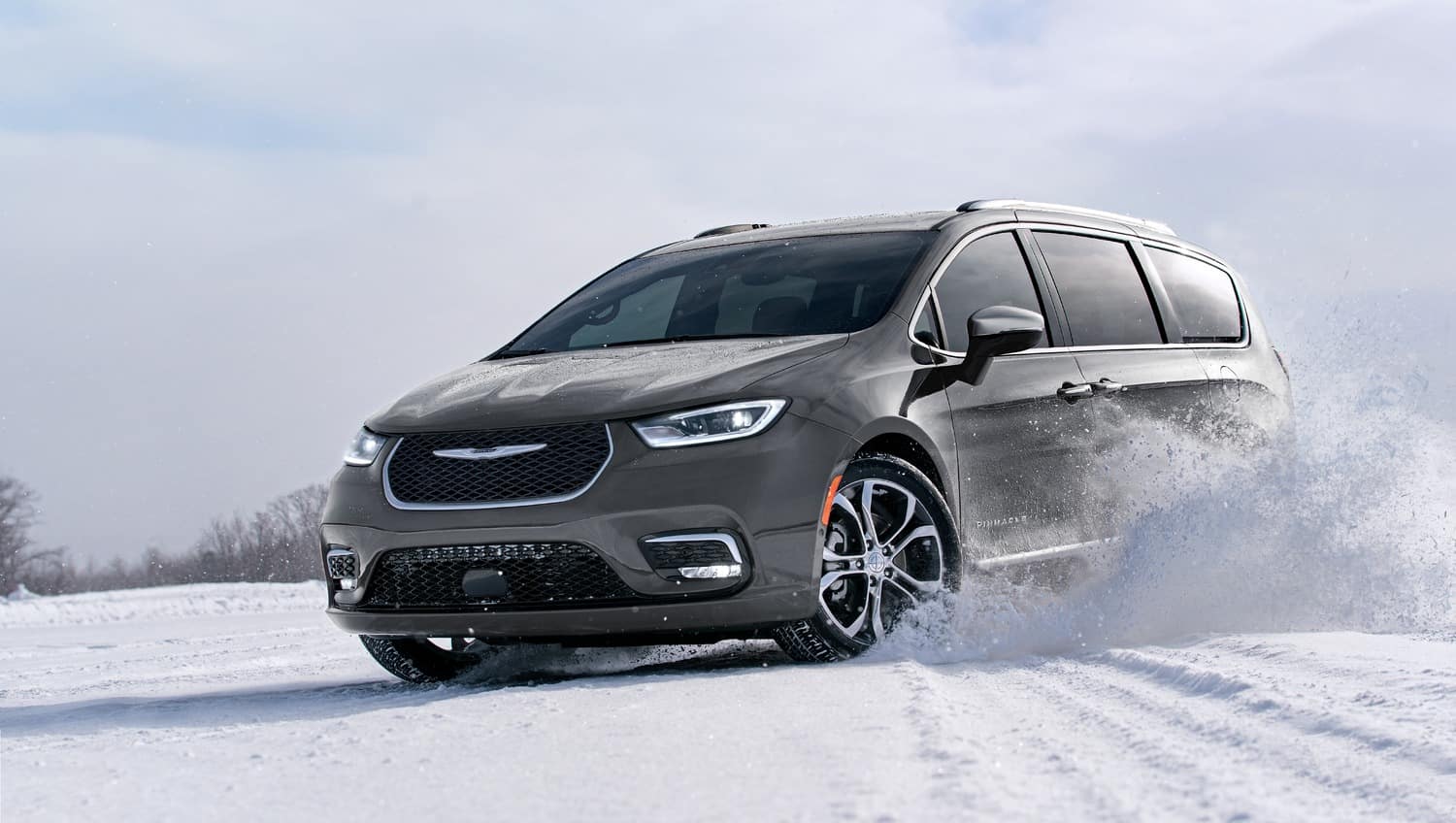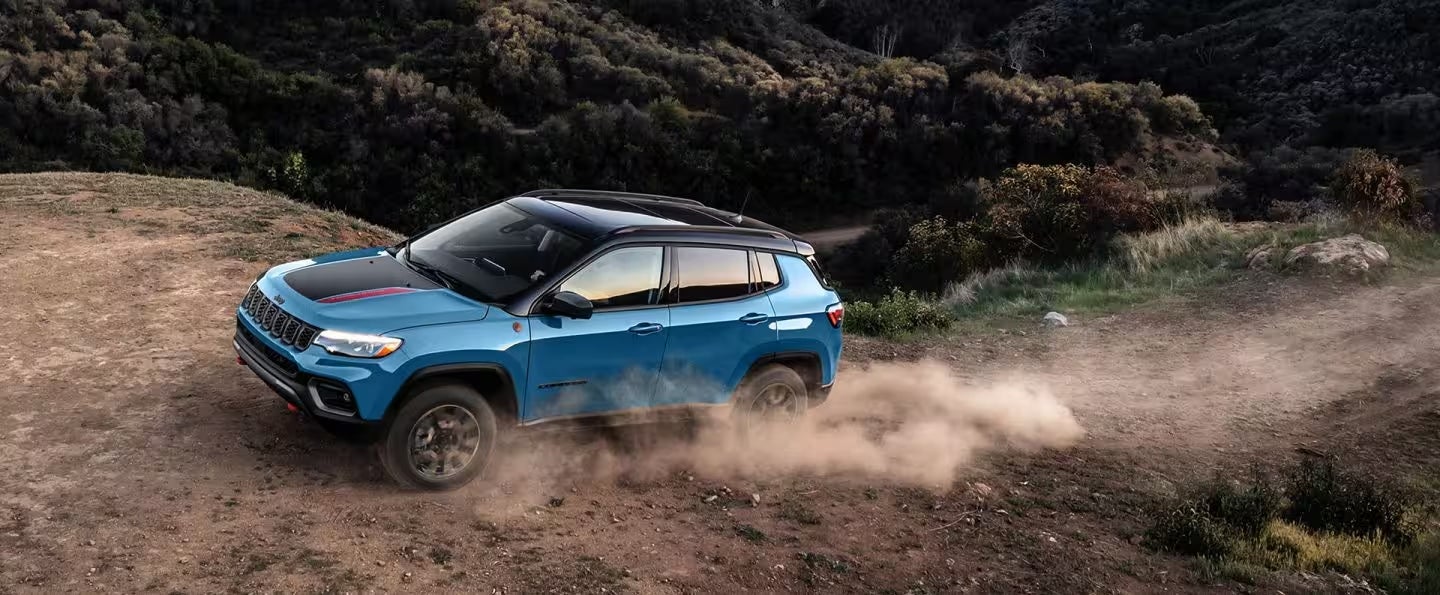








The automotive sector is on the brink of a major shift, with collaborations like Stellantis and Mistral AI leading the charge in innovation. By blending advanced artificial intelligence with a forward-thinking approach to mobility, these two companies are set to reshape vehicle design, manufacturing, and customer interactions in groundbreaking ways. A Strategic Partnership to Accelerate AI Innovation For over a year, Stellantis—parent company of legendary automotive brands like Jeep and Chrysler —has been collaborating with Mistral AI on AI-driven projects. Today, both companies are taking the partnership to a new level, pioneering AI applications across multiple facets of the automotive business. With Mistral AI’s expertise in large language models (LLMs) and generative artificial intelligence (GenAI), Stellantis has been able to streamline vehicle development, enhance manufacturing efficiency, and create more personalized customer experiences. "This partnership exemplifies the power of integrating AI to optimize operations, improve quality, and deliver innovative customer-focused solutions," said Stellantis Chief Engineering & Technology Officer, Ned Curic. Enhancing Vehicle Engineering and Development Mistral AI tools are transforming Stellantis' engineering processes by enabling engineers to analyze complex data sets in seconds instead of weeks. One notable initiative is the creation of a custom Bill of Materials (BOM) data intelligence tool, which automates the analysis of component databases. This allows engineers to identify, compare, and optimize part selections, enhancing standardization and efficiency across Stellantis' extensive vehicle portfolio. AI-driven tools are used to process data from development fleets and surveys, quickly identifying trends and corrective actions. This approach leads to continuous improvements in vehicle quality and customer satisfaction, helping Stellantis accelerate the delivery of top-tier vehicles to the market. Revolutionizing the Customer Experience One of the most exciting developments born of the Stellantis and Mistral AI partnership is an advanced AI-powered in-car assistant. This revolutionary technology transforms how drivers interact with their vehicles by offering natural, conversational support in real time. Say goodbye to flipping through thick user manuals—drivers can now interact with their car using voice commands to get instant answers to questions about vehicle features, warning indicators, or troubleshooting issues. The assistant is also designed to be adaptive, evolving to suit the unique needs of each Stellantis brand—from Jeep’s rugged enthusiasts to Maserati’s luxury-focused clientele. The result? A seamless, intuitive experience that enhances day-to-day driving and builds a stronger connection between customers and their vehicles. AI-Driven Manufacturing Excellence Stellantis is transforming quality assurance by integrating Mistral AI’s edge computing models into its manufacturing processes. These advanced models identify anomalies on production lines in real time, allowing for immediate corrective actions and significantly reducing waste. The results are impressive—fewer errors, enhanced product quality, and millions saved on warranty claims. It’s a powerful demonstration of how AI can drive cost optimization while increasing efficiency and output. Why This Partnership Matters for the Future With its "Dare Forward 2030" strategic vision, Stellantis aims to become a mobility tech leader while achieving carbon net-zero emissions by 2038, and the partnership with Mistral AI is a key step in this mission. The integration of AI across operations enhances customer satisfaction, boosts operational efficiency, and positions Stellantis at the forefront of the AI revolution in automotive. AI tools enable faster innovation cycles by drastically reducing analysis time, allowing teams to make real-time decisions and accelerate product-to-market timelines. Data-driven insights from AI models lead to more informed and precise decision-making across vehicle engineering and manufacturing. Additionally, technologies like anomaly detection help reduce waste in manufacturing, aligning with Stellantis' sustainability goals while creating cost savings. Customers also benefit from AI integration, with enhanced in-car experiences such as conversational assistants and improved product quality keeping them at the center of innovation. What AI Development Means for the Automotive Industry The Stellantis and Mistral AI partnership exemplifies how artificial intelligence can redefine an entire industry, from streamlining production processes to transforming how customers interact with vehicles. It’s a fusion of tech innovation and strategic enterprise goals that sets a new standard for what’s possible in the automotive sector. With its bold vision and advanced AI capabilities, Stellantis is leading the way toward a future where driving isn’t just a mode of transportation—it’s an intelligent and personalized experience. Experience developing AI assistant technology as it develops, shaping the future of vehicle engineering and customer satisfaction in 2025 Chrysler and Jeep models. Visit Savage 61 today to test drive and see innovation in action!
Celebrating National Retro Day: A Tribute to Iconic Classic Cars
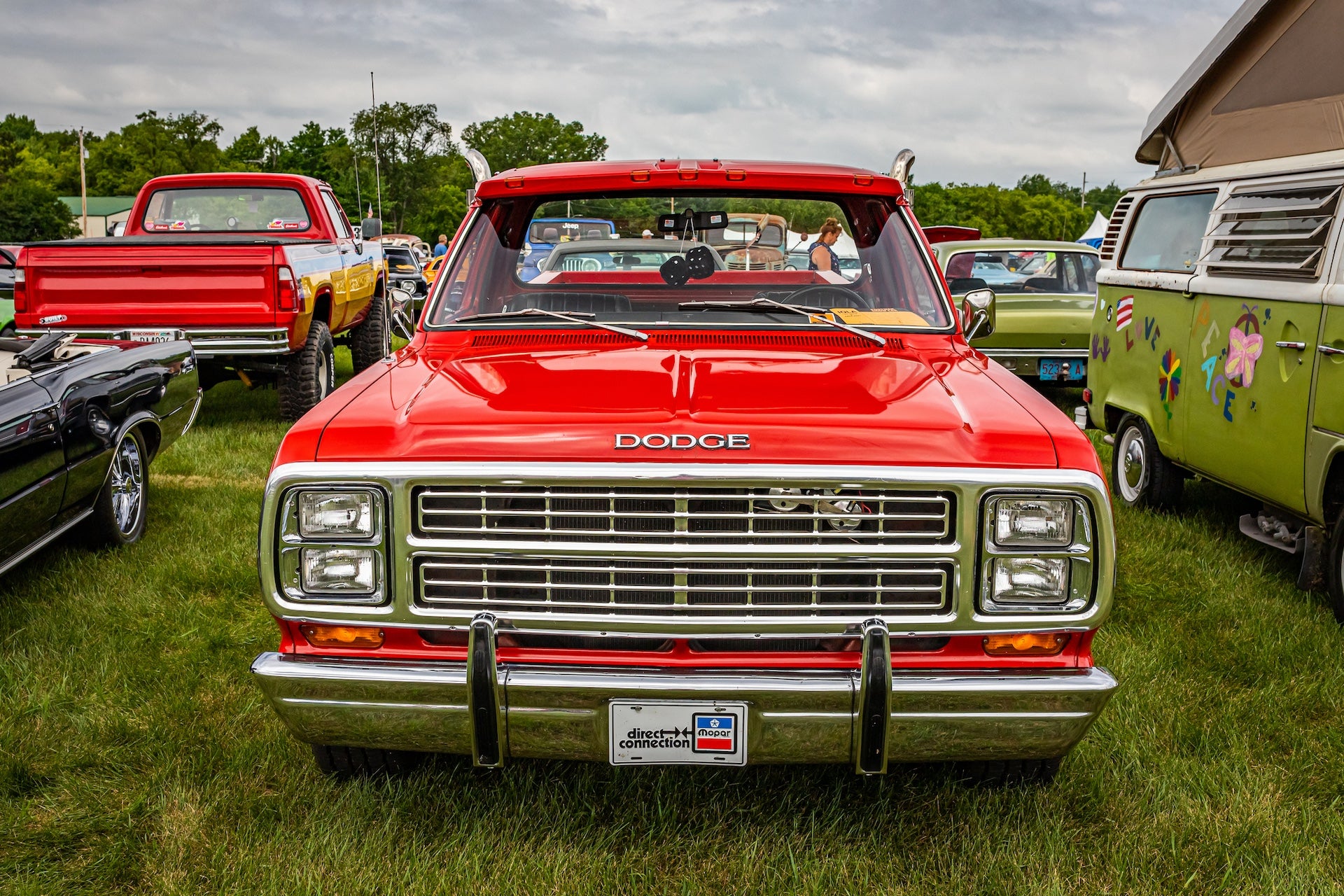
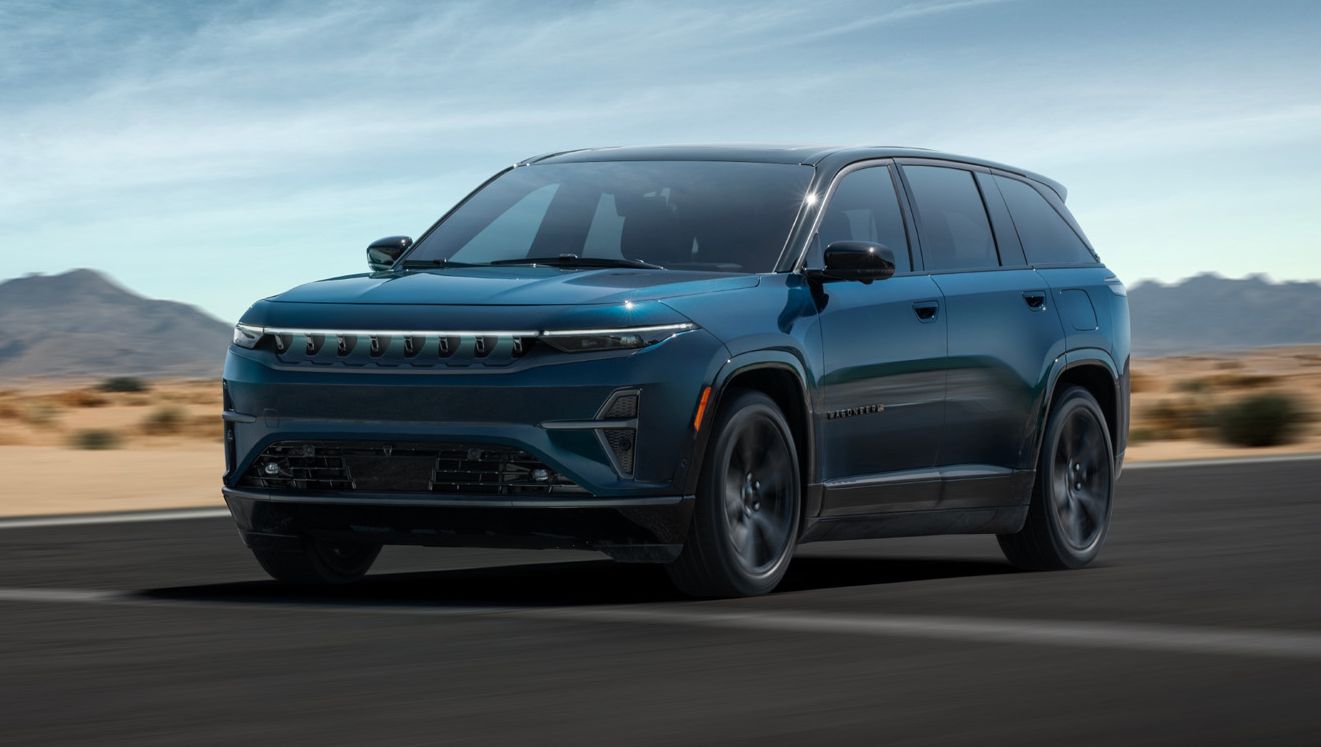
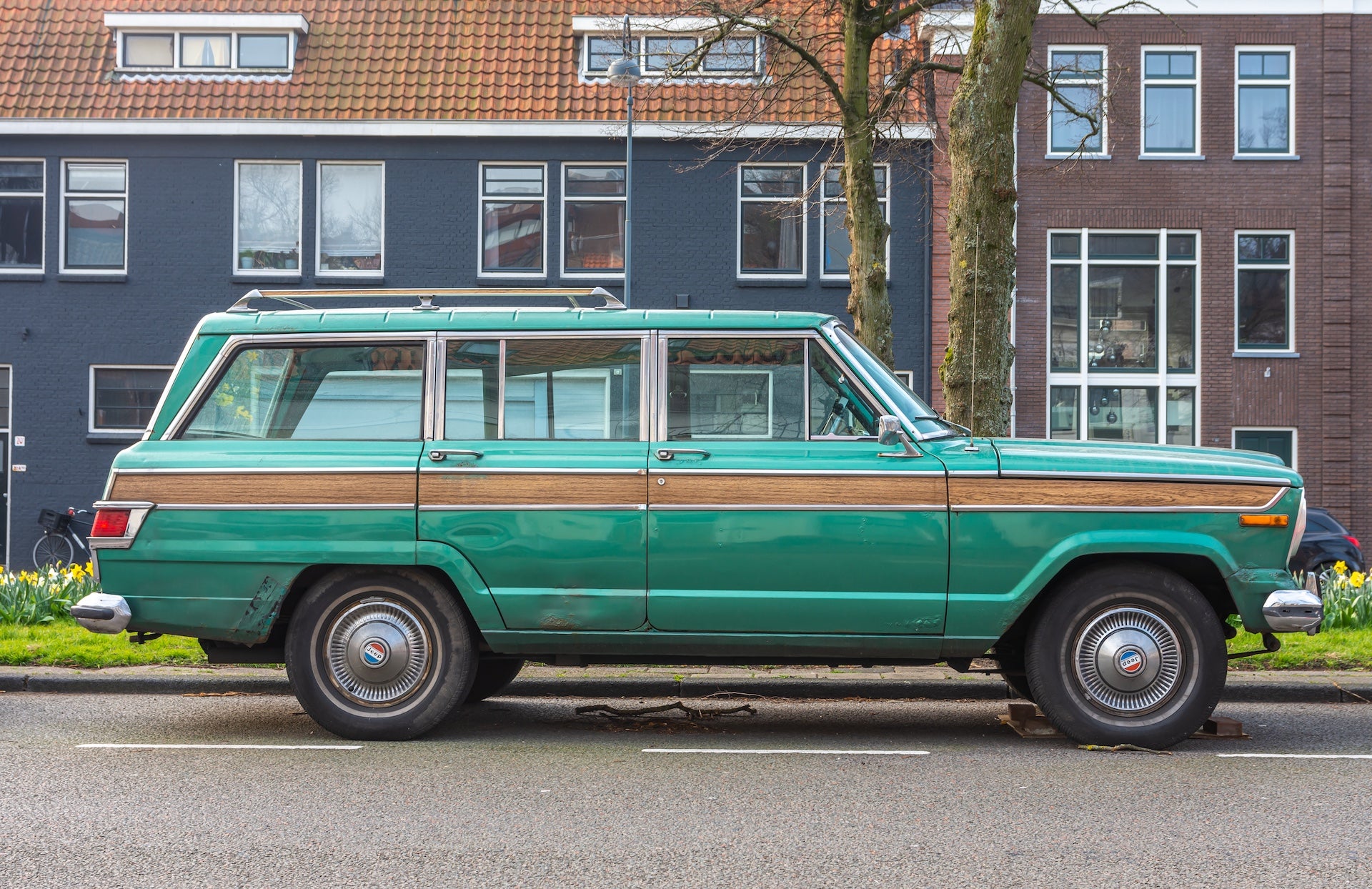
National Retro Day, celebrated on February 27, invites us to take a stroll down memory lane, revisiting the trends and creations that once defined entire eras. It’s a nostalgic moment, harkening back to a time before smartphones and streaming dominated our lives, when conversations happened face-to-face and board games brought families together. Just as fashion trends like bell-bottoms and vinyl records have resurfaced, the automotive world is also bringing back classic car models with modern twists. From durable off-roaders to stylish coupes and luxury SUVs, these retro cars are getting sleek updates while honoring their original charm. 1. Ford Bronco – The Off-Road Legend Returns The original Ford Bronco made its debut in 1966 as a rugged, versatile off-road SUV. With its compact frame, solid axles, and coil springs, the Bronco quickly became a favorite for adventurers. Over the years, Ford expanded its size and capabilities until production ceased in 1996. Fast forward to 2021, and the Bronco made a triumphant return. Sporting a tough, boxy design reminiscent of its 1960s ancestor, the new Bronco offers serious off-road capability with body-on-frame construction borrowed from the Ranger pickup. Features like a 7-speed manual transmission, removable doors and roof, and an advanced infotainment system with trail maps show that the Bronco is ready to tackle modern adventures while remembering its roots. It’s a car as capable on rocky trails as it is eye-catching in the city. 2. Chevy Blazer – From Trailblazer to Street-Inspired Chevrolet introduced the Blazer in 1969 as a rugged, full-size SUV to rival the Bronco and other off roaders of the time. Over the years, it evolved into a larger, more luxurious vehicle before fading from Chevy’s lineup in 2009. Revived in 2019, the Blazer has taken a drastically different route. Rather than return to its rugged SUV roots, the modern Blazer is a sleek, street-inspired crossover designed for urban lifestyles. With Camaro-inspired styling, a car-like unibody design, and available all-wheel drive, today’s Blazer caters to families and commuters more than adventurers. While its off-roading days are behind it, the new Blazer is all about style, comfort, and driving on paved roads. 3. Nissan Z – A Sports Car Enthusiast’s Dream The Nissan Z began its legacy as the Datsun 240Z in 1970, delivering a combination of sharp design, rear-wheel-drive dynamics, and affordable performance. Over the decades, the Z evolved into the 280ZX, 300ZX, and later the 350Z and 370Z, maintaining its reputation as a driver-focused sports car. The latest iteration, simply called the Nissan Z, brings this lineage full circle. With retro-inspired design elements like its long hood, teardrop headlights, and rear light bar, the new Z pays tribute to the original 240Z while packing a modern punch. Powered by a 400-hp twin-turbocharged V6, it offers the choice of a six-speed manual transmission for driving purists or a nine-speed automatic for convenience. The Z is proof that passion and heritage can thrive in a world dominated by SUVs. 4. Toyota Supra – The Iconic Turbocharged Coupe The Toyota Supra first gained fame as a high-performance derivative of the Celica in the late 1970s, later becoming its own model in the 1980s. By the time the fourth generation Supra was introduced in 1993, it had achieved legendary status, thanks in part to its 2JZ inline-six engine, which made it a favorite among enthusiasts and tuners worldwide. After a hiatus of nearly two decades, the Supra returned in 2019 in partnership with BMW. The new Supra features a turbocharged inline-six borrowed from BMW, delivering 335 horsepower in a sleek, coupe body inspired by its predecessors. Bold and thrilling to drive, the latest Supra embodies the spirit of its predecessors while adding modern refinement and power. 5. Jeep Grand Wagoneer – Luxurious Origins Reimagined The Jeep Grand Wagoneer occupied a unique place in automotive history. Launched in 1963, it was one of the first SUVs to combine off-road capabilities with upscale features like leather interiors and power steering. By the 1980s, the Grand Wagoneer had become synonymous with premium, family-friendly adventure vehicles. Jeep revived the Grand Wagoneer in 2022 as a luxurious, full-size SUV that competes with top-tier models like the Cadillac Escalade and Range Rover. With plush leather seats, three rows of seating, and advanced connectivity, the new Grand Wagoneer is a stunning blend of nostalgic charm and modern refinement. Its bold stance and woodgrain accents harken back to the original, while the massive touchscreen and hybrid drivetrain pave the way for the future. Why Retro Designs Still Resonate The return of these models proves one thing—nostalgia is powerful. For automakers, reviving iconic vehicles isn’t just about sentimentality; it’s about reimagining timeless designs for a new generation. Retro-inspired cars blend the classic charm of their predecessors with modern technology and performance. From rugged trails to city streets, these reborn legends show how old-school appeal and innovation can coexist. Whether it’s the rugged Bronco or the speedy Supra, today’s retro cars give us new reasons to fall in love. This National Retro Day, take a nostalgic journey with a test drive at Savage 61. Explore our quality-certified pre-owned vehicles and experience the charm of timeless design paired with modern reliability. Whether you’re drawn to the Jeep Grand Wagoneer or the equally historic Jeep Wrangler, you’ll drive away with a car that carries classic style without the baggage of its past. We look forward to seeing you at Savage 61!